Project Samples

Read more:
Role: Chair, Organizing Committee; Co-chair, Steering Committee
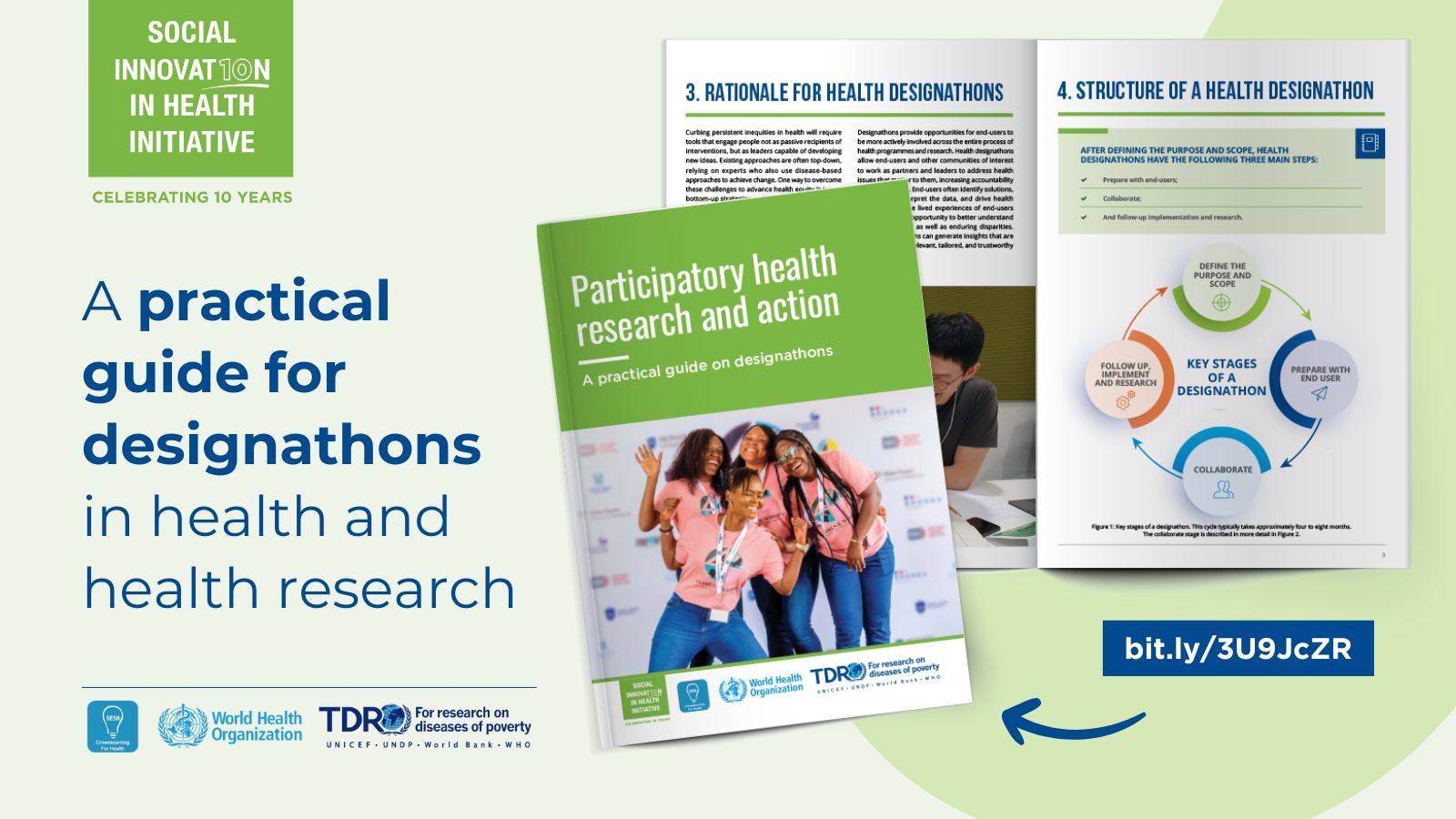
Background and Objective: A designathon (aka hackathon, sprint collaboration, intensive workshop) is a three-stage activity that includes an open call for ideas and participants, an intensive period of collaborative work, and follow-up activities. The purpose of this project was to gather practices and practical tips related to designathons for health in order to inform the development of a global practical guide on organizing health designathons. This practical guide integrates insights from a scoping review and global crowdsourcing efforts on designathons in health. Developed in collaboration with the Special Programme for Research and Training in Tropical Diseases (TDR) and the Social Innovation in Health Initiative (SIHI), and supported by insights from SESH (Social Entrepreneurship to Spur Health) and the World Health Organization (WHO), it aims to harness the collective wisdom of the health and research community. By leveraging these partnerships, the guide addresses complex health challenges through participatory design, promoting a synergistic approach to health innovation.
My Activities:
- Constituted a steering of committee of 15 experts from 8 countries.
- Launched a global crowdsourcing open call to solicit ideas from researchers, innovators, and the general publics.
- Analyzed the submission data and made a presentation to the steering committee.
- Led the writing draft and refinement of the designathon practical guide.
- Supported the draft of the single overarching communications outcome (SOCO) of the guide.
- Led the dissemination of the guide on social media and in-person across different events in Germany, Switzerland, Australia, Nigeria, and Japan.
Dissemination:
- [Poster Abstract] Empowering Communities to tackle HIV Challenges using a three-stage participatory approach: Developing a Practical Guide for Designathons
- [Global Village Workshop] Design with and for youths: A youth ideation workshop to co-develop solutions to HIV/AIDS challenges faced by youths across LMICs.
- [Workshop] Participatory approaches in sexual health: A participatory workshop and launch of WHO/TDR practical guide
- [Capacity Strengthening Session] Empowering communities to build sustainable health interventions: use of designathons in health systems research.
Conclusion:
The Designathon Practical Guide is more than just a manual; it’s a roadmap to successful health innovation. Suitable for academics, practitioners, and passionate changemakers, this guide details the necessary steps to effectively organize and execute a designathon. It covers everything from initial planning to post-event activities, ensuring each project reaches its full potential and has a sustainable impact.
Read more:
Context:
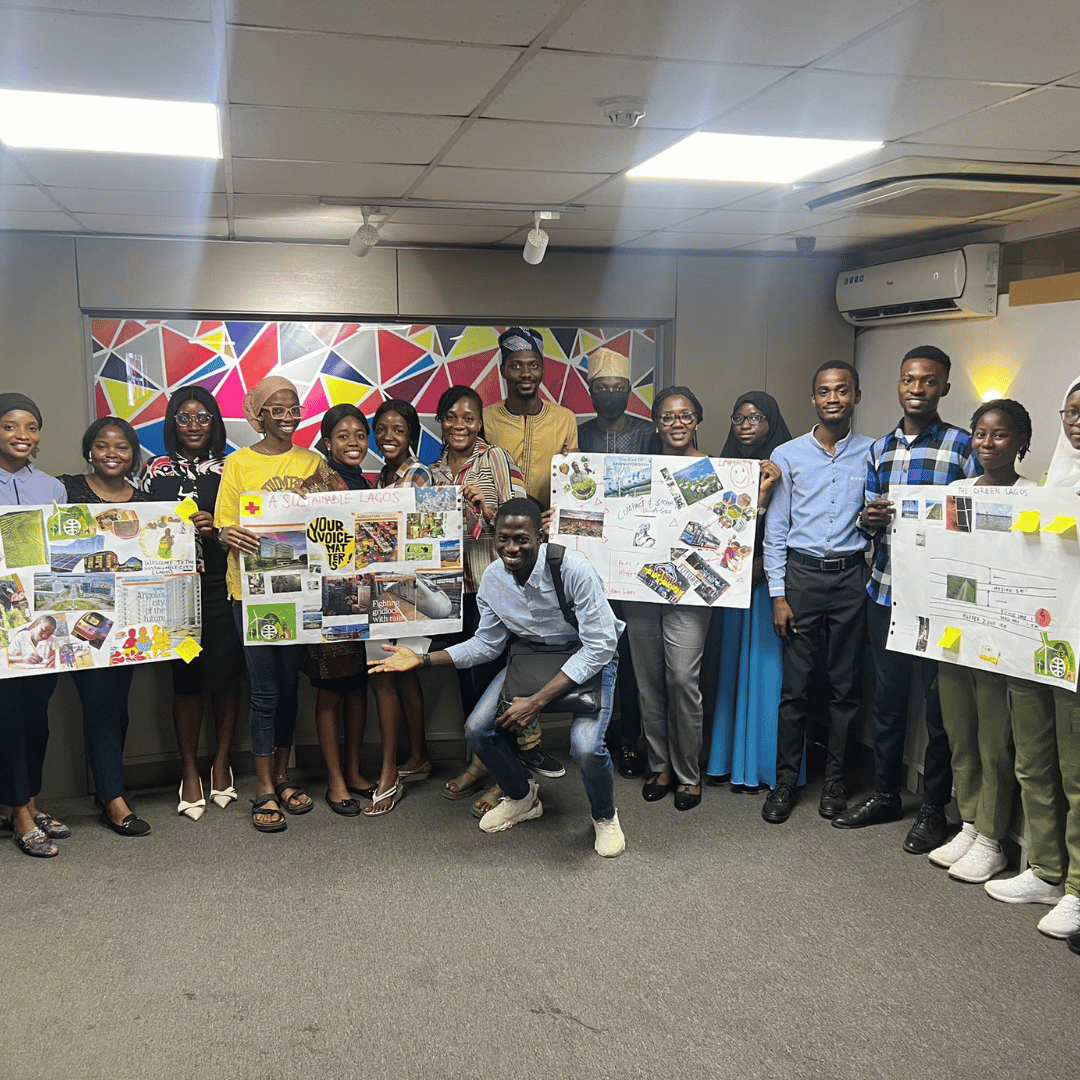
The world is currently on track for catastrophic levels of warming that threaten to undermine the health of people everywhere, especially amongst the most vulnerable. Over half the world’s population lives in cities and the urbanisation trend is not slowing down, particularly in Africa. any cities with severe climate change vulnerabilities also have the largest youth populations, who are among those worst affected by climate change and its drivers. The CCC Action Lab aimed to accelerate healthy decarbonisation in key Nigerian cities through working with young people at the intersection of urbanisation, climate resilience, and health. The Action Lab builds on the foundational research LSHTM conducted in 2020-2021 supported by Fondation Botnar, which modelled the health co-benefits of decarbonisation in 16 cities.
Overall goal:
To co-design and implement a youth led climate movement through the development of youth advocacy tools to support evidence-informed advocacy for healthy, climate-resilient cities in Lagos and Nairobi.
Project phases:
- Rapid cycle research ‘sprints’ to build the evidence base (modelling and surveying)
- Climate Action Labs – co-developing visions for future cities with young people themselves, and co-designing local, evidence-informed, advocacy campaigns with youth to get there:
- Target cities: Nairobi and Lagos.
- Target audience: youth (15-29 years).
- Evidence-based Advocacy: Supporting knowledge sharing across cities and evidence-informed, demand-driven analytical/planning support for 2-3 focal cities to achieve decarbonization.
Activities
- Conducted 3 day workshops to capture youth climate perspectives, equip youth with advocacy tools, co-design youth advocacy strategies and build a network of youth climate leaders that use these skills to implement advocacy campaigns in Lagos and Nairobi.
- Organized 8 virtual training sessions and 8 monthly meetings for continued support and mentorship.
Read more:
Context:
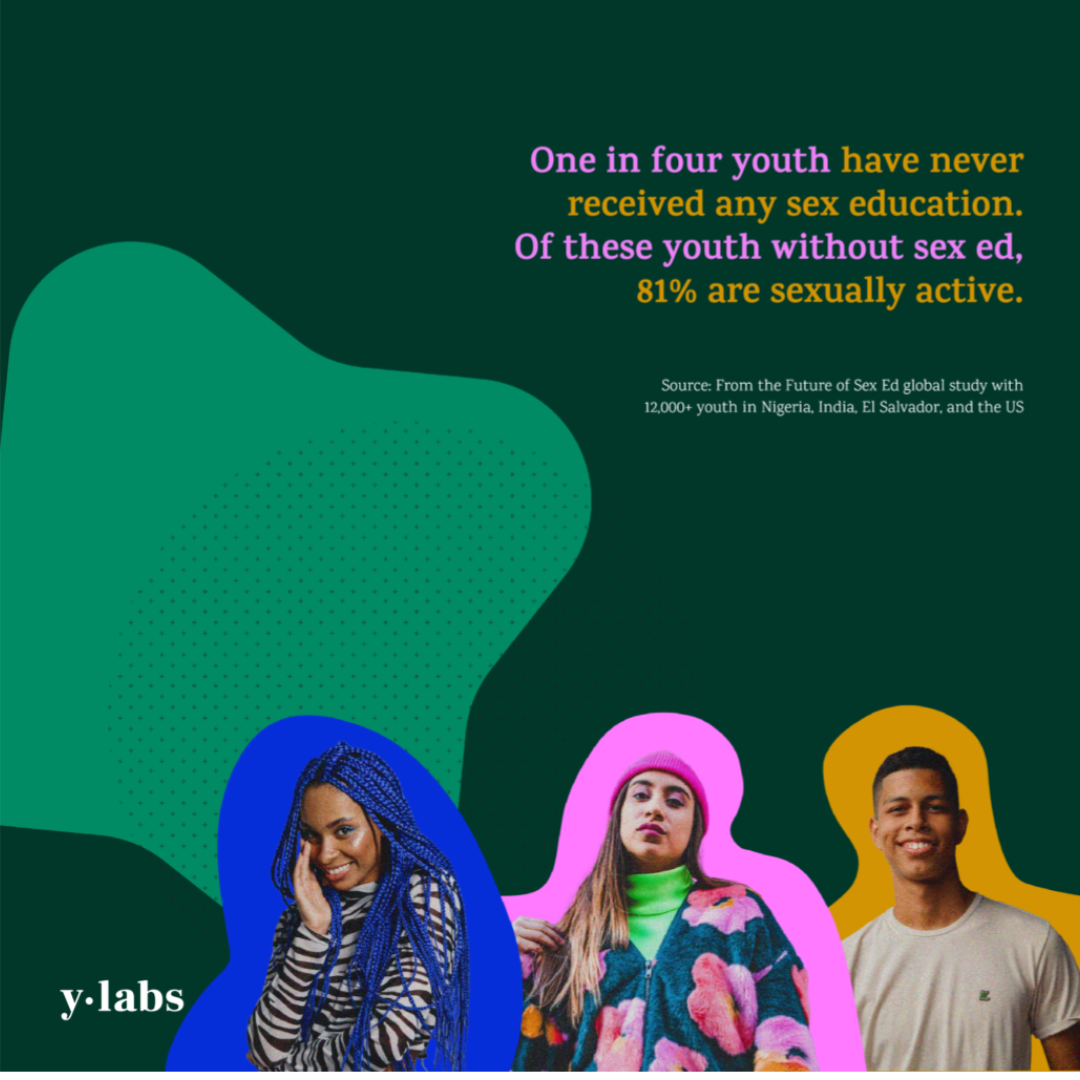
Traditional approaches to designing and delivering sex education are failing to meet the needs of young people (YP); a problem that has persisted across geographies, genders, and generations. The Future of Sex Ed, an initiative from YLabs, aims to revolutionize and democratize sex education to support a global youth-driven, pleasure-based approach. In 2022, we conducted a youth-driven mixed-methods research study involving 12,692 YP ages 15-24 and 68 key stakeholders from Nigeria, India, the USA, and El Salvador.
The Approach:
Quantitative data was collected using Interactive Voice Response (IVR) and Facebook surveys, which were supplemented by qualitative interviews with YP and key influencers. Ethical approval was obtained for all regions, and informed consent and assent were acquired from the participants. The project also recruited and trained young researchers from each region to lead in all technical and design aspects of the study.
Research Findings:
- YP lack a single, trusted resource for their sex education needs. They feel exhausted from having to ping-pong among parents, peers, portals, and porn for their information needs. Since many contradict one another, YP are left confused and forced to validate information through their own personal experience and risk.
- Silence from caregivers at an early age about consent and bodily autonomy results in increasingly common experiences of early, coercive, and traumatic sexual experiences for today’s youth.
- Traditional approaches to deliver sex education optimize for biology, leaving young people unprepared to navigate the emotional and psychological hurdles of their sexual behavior and identity.
- Young people are learning about sex in isolation, which prevents them from understanding the lived experiences of people who share different gender or sexual orientations. The more marginalized they are, the more isolated they feel, which creates greater division, stigma, and harm.
- YP define ‘pleasure’ as psychological safety and consent but lack the skills to advocate for their needs, let alone their physical pleasure.
Design principles:
- The Future Of Sex Ed Is More Than Biology: Successful innovations will embody a gradual and holistic approach to sex ed delivery. Youth are on a learning journey, and require information to be delivered in an evolving way, to meet them with the information they need at that time. As early as age five, conversations about “good touch and bad touch” can establish the importance of bodily autonomy and consent. For young adolescents, topics such as healthy communication, exploring one’s sexual identity and gender expression, reproductive anatomy, disease prevention, and pleasure and sexual agency are critical for navigating their next stage of development.
- The Future Of Sex Ed Is Pleasure: Pleasure is not provocative, it is practical. Successful innovations will elevate young people’s definition of pleasure-based approaches: ones which center agency, safety, and consent. They will provide a platform for young people to safely build and explore their sexual self-efficacy and will give them the language to talk about their sexual preferences, expectations, and boundaries.
- The Future Of Sex Ed Is Digital: Future programming must embrace emerging technologies, digital trends, and trusted influencers/personas to revolutionize the delivery of sex education. Digital approaches offer limitless opportunity to reach audiences at scale with on-demand information that supports both private learning, and learning with peers and family. End-to-end digital solutions provide opportunities for information sharing and linkage to sexual health products and services—providing young people the one-stop-shop experience they need and deserve.
- The Future Of Sex Ed Is Family: The new wave of sex education will break intergenerational cycles of trauma and shame regarding sexuality and gender expression by working with caregivers and children, together, to support healthy and open conversations about sex. Effective engagement of caregivers may require specialized modules that support the process of unlearning harmful myths and stereotypes so that they can serve as effective guides to their children as they nurture their own sexual identity and journey as well.
The Future Of Sex Ed Is Inclusive: Transformative sex education teaches everyone the same thing. Boys will learn about menstruation and that pregnancy is a shared responsibility. Information about diverse forms of gender expression and sexual identities will not be separate modules, but rather, embedded in the DNA of sex education. Inclusive sex education will recognize and uphold the diverse experiences and challenges faced by young people, especially those who identify as female or LGBTQ.
Read more:
Context:
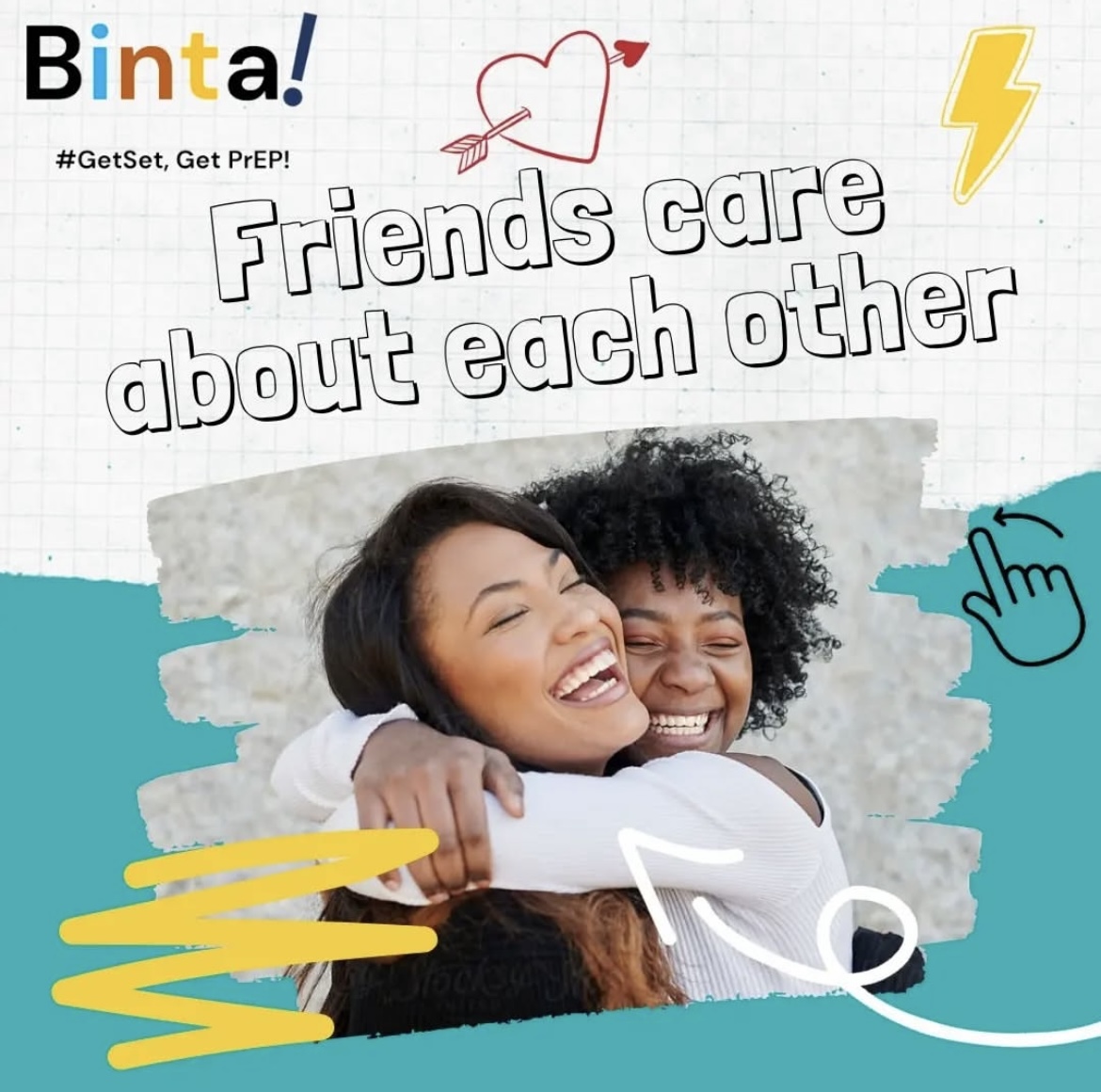
Nigerian youths are at the heart of a growing HIV crisis, with the second-highest rate of new infections globally. HIV prevention options like Pre-exposure prophylaxis (PrEP) offers great opportunities to reduce the risk of contracting HIV among various groups. However, novel PrEP delivery models are needed to increase awareness and drive uptake among adolescents and young adults (AYA) in Nigeria.
Project Goal:
The aim of this project was to evaluate the acceptability and feasibility of HIV PrEP delivery through a web platform developed with AYA through HCD methods in Lagos, Nigeria.
Activities:
The study comprised five phases, including literature review, design research, rough prototyping, live prototyping, and a pilot intervention study. A total of 21 youths (15-24 years old) and 12 expert providers participated in interviews, focus groups, and co-design sessions. An additional 106 youths filled out the self-administered questionnaires. The final intervention design, Binta!, was evaluated qualitatively for feasibility and acceptability during a six-month pilot using structured interviews with 42 youths at-risk of HIV and 5 community pharmacists who were a major part of the intervention.
Project results:
Four key factors emerged as barriers to PrEP access and uptake among Nigerian youth:
- Long distances to HIV clinics
- Confidentiality issues
- Low knowledge of PrEP
- high costs.
Features of the web platform, co-developed with youths and providers, include:
- A robust FAQ section with visual media
- A PrEP eligibility section
- A pharmacy locator.
Dissemination of project results:
- Poster Presentation titled, “Using human-centered design to develop and evaluate a web platform to improve access to hiv pre-exposure prophylaxis among adolescents and young adults in Lagos, Nigeria” at the Health Systems Research in Nagasaki, Japan.
- Poster Presentation titled, “Use of human-centred design to co-develop a digital platform and evaluate its use to drive uptake of HIV pre-exposure prophylaxis (PrEP) among Nigerian youths in Lagos, Nigeria through a pilot intervention study” at HIV Therapy Glasgow 2024 in Glasgow, Scotland.
- Poster Presentation titled, “Acceptability of pharmacy-based delivery model of Pre-exposure Prophylaxis among adolescents and young adults in Nigeria: Insights from a Participatory Study” at ICASA 2023 in Harare, Zimbabwe.
Read more:
Context:
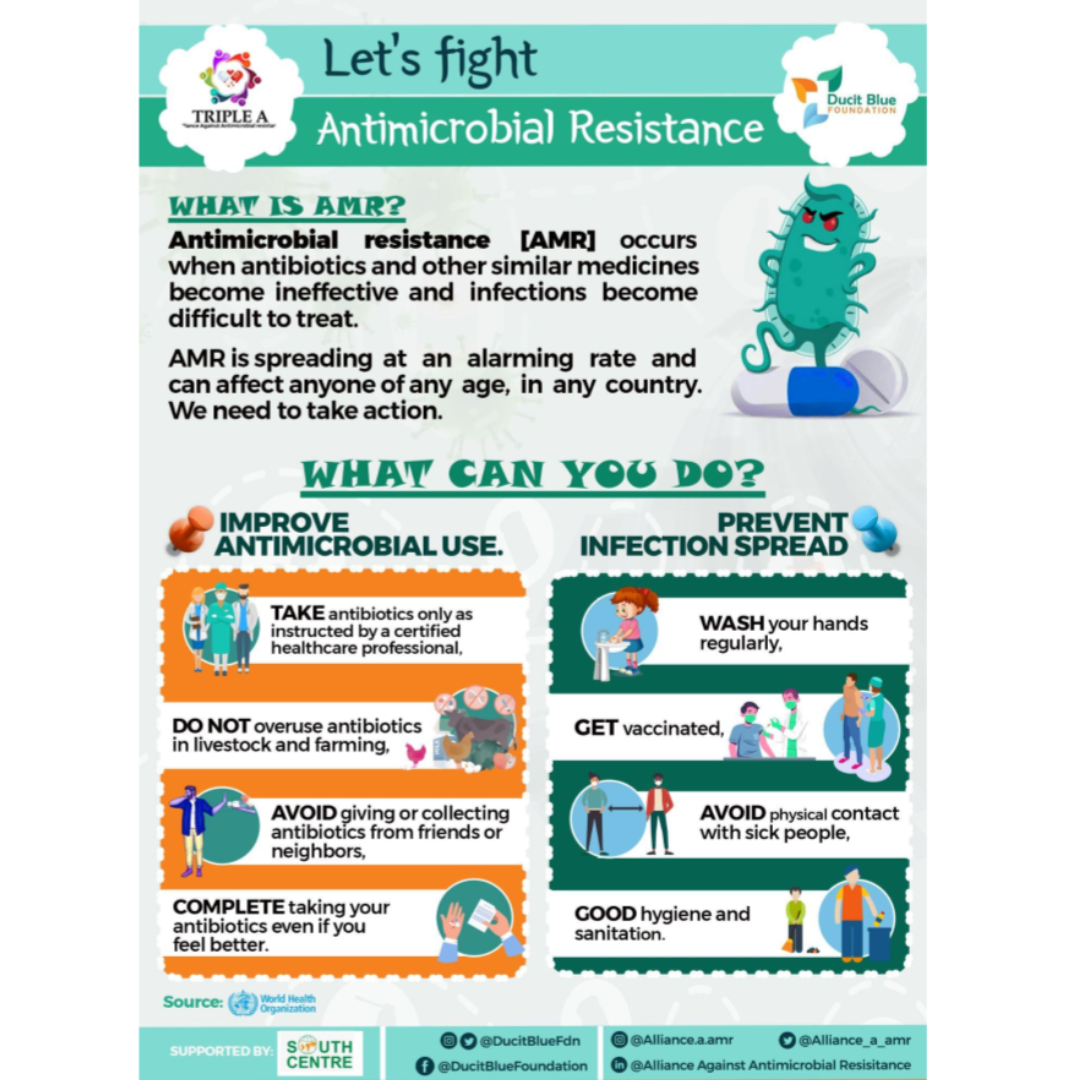
When we get an infection, it is usually caused by a microorganism (e.g. virus or bacteria). Then, when we take drugs, the drugs don’t work as the bacteria can survive and prolong the infection. Antimicrobial resistance (AMR) is when bacteria develop resistance to antimicrobial medicines to which it was originally sensitive. AMR is considered as one of the greatest global public health threat today. However, AMR terminology has geographic, disciplinary and societal variations that affect understanding and interpretation. Thus, without simple, clear and translated AMR messages, populations are misinformed, left with popular myths and belief systems towards use of antimicrobials.
Project Goal:
To leverage on the creativity and power of youths to develop a one-page infographic on AMR, translate the contents of the one-page infographic to multiple local languages and disseminate the translated infographics
My Activities:
- Developed a one-page infographic on AMR with experts in the field.
- Launched a global crowdsourcing open call for youths to translate the one-page infographic to local languages
- Disseminated the translated infographics online and in-person through various activities.
- Monitored engagement metrics on social media, number of shared infographics in-person and number of download on the website.
Impact:
- 53 infographics in local languages. Check out here
- 160 young people trained as AMR awareness champions
- 74,064 social media engagement of the infographics
- 5000+ infographics distributed across 25 states in Nigeria
Dissemination:
- Oral presentation at the React Africa Network & South Centre Conference in Livingstone, Zambia.
- Oral presentation at the Continental Launch of the African Union AMR Landmark Report
- Oral presentation at the deep dive session for the INTERNATIONAL CENTRE FOR ANTIMICROBIAL RESISTANCE SOLUTIONS (ICARS) in Copenhagen, Denmark.